Odyssey Toss Maverick
Overview
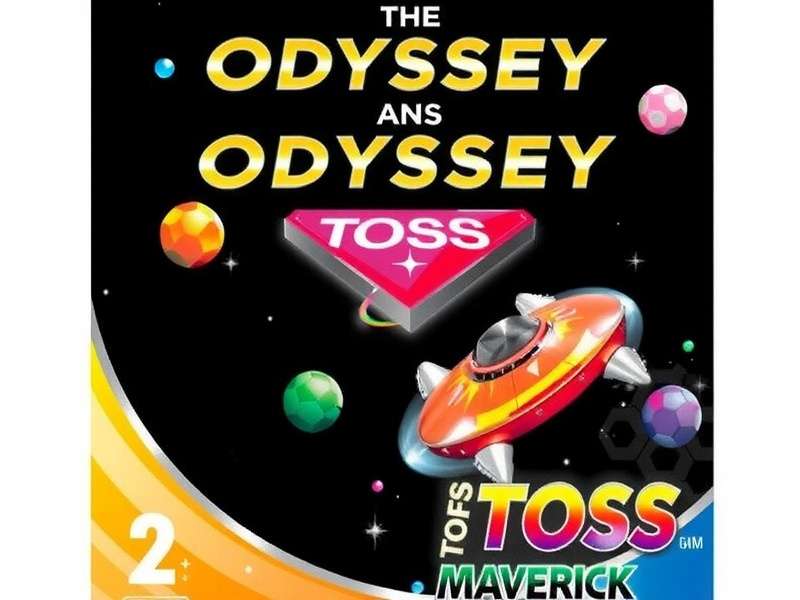
Odyssey Toss Maverick is a groundbreaking skill-based toss game developed and published by Daman Games that reimagines India's traditional tossing pastimes for the digital generation with innovative gameplay mechanics and breathtaking visuals. Launched in early 2023, this game has taken the Indian gaming scene by storm, especially in tier 2 and tier 3 cities where these traditional games have been part of the cultural fabric for generations.
What makes Odyssey Toss Maverick truly special is its seamless fusion of desi tadka (Indian flavour) with cutting-edge technology. The game draws inspiration from the countless street games played across India - from the gully cricket toss in Mumbai's bylanes to the coin-flipping contests in Delhi's galiyan and the ring toss challenges in Chennai's markets.
In Odyssey Toss Maverick, players get to experience the adrenaline rush of various tossing challenges that test their precision, timing, and strategic acumen. The game has won widespread acclaim for its authentic portrayal of Indian street gaming culture while delivering a modern, competitive multiplayer experience that appeals to casual gamers and hardcore enthusiasts alike.
🔥 Did you know? Odyssey Toss Maverick crossed the 8 million download mark within just nine months of its release, making it one of the fastest-growing mobile games in India's burgeoning gaming market!
The game's phenomenal success can be attributed to its easy-to-learn-yet-hard-to-master gameplay that strikes a chord with Indian sensibilities. Unlike many imported games that require players to adapt to foreign cultural contexts, Odyssey Toss Maverick feels instantly familiar to Indian players who grew up playing some form of toss games during their childhood days.
From college campuses to office pantries, Odyssey Toss Maverick has become a favourite pastime, with colleagues challenging each other during chai breaks and students competing between lectures. The game's offline mode has proved particularly popular in areas with spotty internet connectivity, which is a major factor in its widespread adoption across rural and semi-urban India.
Industry experts have hailed Odyssey Toss Maverick as a trailblazer in India's gaming revolution - a game that celebrates local culture and traditions rather than merely aping Western concepts. This "glocal" approach (global technology with local content) has resonated deeply with Indian gamers who have long yearned for games that reflect their own experiences and cultural context.
In small towns like Ludhiana, Indore, and Madurai, Odyssey Toss Maverick tournaments have become weekend highlights, with local cafes and gaming parlours organizing competitions and offering prizes like smartphones, tablets, and shopping vouchers. This grassroots adoption has been instrumental to the game's success, as it spread primarily through word-of-mouth recommendations rather than expensive marketing campaigns.
What's truly remarkable is the game's unexpected popularity among senior citizens, who appreciate its connection to traditional games they played in their youth. In many retirement communities across India, Odyssey Toss Maverick has become a social activity, with elderly players bonding over digital versions of games they once enjoyed physically.
Odyssey Toss Maverick has a unique ability to bridge generational divides. In countless Indian households, grandparents and grandchildren can be found playing together, with the older generation sharing tips based on their real-world experience with toss games and the younger generation teaching them the digital controls.
Unlike many mobile games that focus solely on entertainment, Odyssey Toss Maverick serves as a digital repository of India's rich gaming heritage, preserving traditional games that might otherwise be lost to modernization. The game's developers have painstakingly researched and documented regional variations of toss games from across India, ensuring that these cultural treasures are passed on to future generations.
Educationists have also noted the game's potential as an educational tool, with its physics-based gameplay helping children understand concepts like trajectory, force, and angles in a fun and engaging manner. Several schools in Bangalore and Hyderabad have even incorporated Odyssey Toss Maverick into their physics and mathematics curricula, much to the delight of students.
Another factor contributing to the game's popularity is its inclusive design that accommodates players of all abilities. The customizable controls have made it accessible to players with disabilities, earning Odyssey Toss Maverick accolades from accessibility advocates across India.
Odyssey Toss Maverick has also made significant inroads into India's esports scene, with professional gamers now specializing in the game and earning substantial incomes through tournaments and streaming. This has opened up new career avenues for India's youth, particularly those from smaller towns and cities where traditional career options may be limited.
Gameplay
The gameplay of Odyssey Toss Maverick revolves around various tossing challenges that demand precision, impeccable timing, and strategic thinking. The game features multiple game modes, each inspired by different traditional Indian tossing games, with progressive difficulty levels that keep players engaged for hours on end.
Basic Mechanics 🎮
At its heart, Odyssey Toss Maverick requires players to accurately toss different objects towards specific targets. The game employs an advanced physics engine that simulates real-world tossing mechanics with remarkable accuracy, taking into account factors like wind speed, object weight, surface friction, and even humidity to create an authentic gaming experience.
Players can choose from a diverse range of objects to toss, including:
- Coin (सिक्का) - Classic heads or tails with exciting new challenges
- Ring (छल्ला) - Inspired by traditional ring toss games from Rajasthan
- Ball (गेंद) - Cricket-style toss with precision targets and varying speeds
- Dice (पासा) - Traditional dice throwing with strategic betting elements
- Needle (सुई) - Challenging bottle cap tossing game from Maharashtra
- Stone (पत्थर) - Traditional pitthu game with modern twists
- Shell (खोल) - Coastal Karnataka's famous shell tossing game
Each object has distinct physics properties, requiring players to adapt their tossing technique accordingly. For instance, tossing a lightweight ring demands a completely different approach than throwing a heavy stone, adding multiple layers of strategy to the gameplay.
The game's control system has been thoughtfully designed with Indian players in mind, offering options for both touchscreen gestures and tilt controls. The developers conducted extensive user testing across different age groups and regions and found that a combination of swipe gestures for direction and power, along with touch adjustments for spin, worked best for most Indian players.
What sets Odyssey Toss Maverick apart from other mobile games is its "adaptive difficulty" system that adjusts based on the player's performance and regional gaming styles. Players from Punjab, known for their aggressive playing style, might find the game initially more challenging with faster-moving targets, while players from Kerala, known for their precision, might face more accuracy-based challenges.
Game Modes 🕹️
Odyssey Toss Maverick offers a diverse array of game modes that cater to different playing styles and preferences:
Classic Mode - This mode features traditional toss games that every Indian has played at some point in their life. From the gully cricket toss that decides which team bats first to the coin flip that settles minor disputes among friends, this mode brings nostalgic gameplay with modern graphics and physics.
In Classic Mode, players can experience the nail-biting tension of the "toss phod" (toss challenge) that is a staple of Indian street cricket. The game accurately recreates the pressure of calling heads or tails, with hyper-realistic coin physics that make each toss feel authentic and unpredictable.
Challenge Mode - Players face increasingly difficult tossing challenges that test their precision and skill to the limit. This mode includes moving targets, complex obstacles, and varying environmental conditions like wind, rain, and even dust storms that affect the trajectory of tossed objects.
Challenge Mode features levels inspired by different Indian environments, from the windy terraces of Mumbai high-rises to the crowded markets of Delhi's Chandni Chowk and the dusty streets of Jaipur. Each environment presents unique challenges that players must overcome using their tossing skills and knowledge of local conditions.
Multiplayer Mode - Compete against friends or random players from across India in real-time toss battles. This mode has become particularly popular during festivals and special occasions when friends and family gather together for some healthy competition.
Multiplayer Mode supports both local Wi-Fi play and online matchmaking, allowing players to compete against opponents from different parts of India. The game uses strategically located servers in Mumbai, Bangalore, Delhi, Hyderabad, and Kolkata to ensure minimal lag for players across the country, even in areas with slower internet connections.
Tournament Mode - Participate in daily, weekly, and monthly tournaments with attractive cash prizes and other rewards. The Grand Championship tournament held every quarter attracts thousands of players from across India, with the winner taking home substantial prize money and national recognition.
Tournament Mode follows a knockout format similar to India's popular cricket tournaments, with players progressing through multiple rounds to reach the finals. The top players receive cash prizes, with the Grand Championship offering a first prize of ₹1 lakh (100,000 Indian rupees) - a life-changing amount for many players from smaller towns.
Career Mode - Create your avatar and progress from a local gully champion to a national tossing legend. This mode includes various challenges and achievements that mirror the journey of a typical Indian street gamer, complete with realistic character progression and skill development.
In Career Mode, players start as a young boy or girl playing toss games in their local gali (alley) and progress through various levels of competition, eventually representing their state in national championships. The mode includes realistic character customization options, allowing players to dress their avatars in traditional Indian clothing from different regions.
Story Mode - This unique mode follows the journey of a young protagonist from a small village in Uttar Pradesh who dreams of becoming India's top toss gamer. The story takes players on a journey across India, learning different tossing techniques from regional masters and competing in local tournaments.
Story Mode weaves together elements of Indian mythology and modern gaming culture, creating a narrative that resonates deeply with Indian players. The protagonist encounters various challenges that reflect real-life obstacles faced by young Indians pursuing unconventional career paths, making the story both entertaining and inspirational.
Scoring System 🏆
The scoring in Odyssey Toss Maverick is designed to reward skill and precision while maintaining the fun and unpredictability of traditional toss games:
Points are awarded based on:
- Accuracy of the toss (बिल्कुल सही मार)
- Difficulty level of the challenge (कठिनाई का स्तर)
- Speed of completion (तेजी से खेल)
- Combo streaks (लगातार सफलताएं)
- Special trick shots (खास चालें)
- Environmental adaptability (परिस्थितियों के अनुसार अनुकूलन)
Players can also earn bonus points by performing desi tadka (Indian-style special moves) that are inspired by local gaming tricks passed down through generations. These special moves add an element of surprise and strategy to the gameplay, allowing skilled players to gain a decisive edge over their opponents.
The game also features a unique "jugaad" system, named after the Indian concept of finding innovative solutions using limited resources. Players can use jugaad moves to overcome seemingly impossible challenges, reflecting the resourcefulness and creativity that is characteristic of Indian street gamers.
For example, the "cycle chain shot" allows players to curve their toss around obstacles, mimicking how street gamers in India would use bicycle chains to play toss games in narrow alleys. Similarly, the "chappal flick" recreates the technique of using a rubber slipper (a common item in Indian households) to achieve the perfect toss angle and spin.
What makes Odyssey Toss Maverick's scoring system truly innovative is its "regional bonus" feature, which rewards players for mastering techniques specific to different parts of India. A player who successfully executes a "Punjabi flick" or a "Tamil Nadu spin" earns additional points, encouraging players to learn and appreciate regional variations of toss games.
Development
The development of Odyssey Toss Maverick began in early 2021 at Daman Games' Bangalore studio, led by visionary game designer Ajay Mehta and lead programmer Sneha Reddy. The team embarked on an extensive research expedition across different regions of India to understand the various forms of traditional toss games played in different states and communities.
Over eight months, the development team traveled to 22 different states, from Kashmir to Kanyakumari and Gujarat to Assam, documenting local tossing games and interviewing players of all ages. This grassroots research helped the team understand the subtle nuances of each game and the cultural significance attached to them in different parts of India.
"We discovered that every region in India has its own unique variation of toss games," says Ajay Mehta, the game's creative director. "In North India, it's mostly coin flipping and gully cricket toss variations, while in South India, ring toss and dice games are more prevalent. In the East, we found fascinating variations involving shells and stones. We wanted to capture this incredible diversity in Odyssey Toss Maverick."
The research phase involved immersive fieldwork in local markets, playgrounds, and community centers where traditional toss games are played. The team recorded hours of video footage of players demonstrating different techniques and conducted detailed interviews with elderly residents to learn about the history and evolution of these games over generations.
In Rajasthan, the team discovered a unique form of ring toss played with wooden rings and clay pots during the Teej festival. In West Bengal, they documented the "dhaner khela" (paddy game), where farmers toss paddy grains into baskets during harvest festivals. In coastal Kerala, they learned about "kaudi kettu" (shell game), a traditional tossing game played with cowrie shells. These and many other regional variations were carefully incorporated into the game to ensure authentic representation.
One of the major technical challenges was creating realistic physics that would feel authentic to Indian players who have grown up playing these games in real life. The team collaborated with physics professors from the Indian Institute of Science (IISc) Bangalore to develop a custom physics engine that accurately simulates the trajectory of different objects under various environmental conditions specific to India.
The physics engine had to account for the unique playing conditions found in different parts of India, such as the dusty winds of Rajasthan, the humid air of Kerala, the monsoon rains of Mumbai, and the high-altitude conditions of Himachal Pradesh. This meticulous attention to detail ensures that the game feels genuinely realistic to players from different regions, enhancing the overall gaming experience.
The game's art style blends vibrant Indian colours with modern 3D graphics, creating a visual experience that is both familiar and refreshing. Character designs draw inspiration from typical Indian street gamers, with avatars representing different regional styles, clothing, and physical features to ensure players from across India can see themselves reflected in the game.
The art team included illustrators and designers from different parts of India, each bringing their regional artistic influences to the game. The character designs feature authentic clothing styles from different states, including Punjabi phulkari dupattas, Rajasthani bandhani turbans, Tamil veshtis and angavastrams, Bengali dhoti kurtas, and Gujarati chaniya cholis, ensuring that players from every corner of India feel represented and included.
The soundtrack of Odyssey Toss Maverick features remixed versions of traditional Indian folk music from different regions, composed by renowned Mumbai-based music producer A.R. Rahman's protégé, Anirudh Vasudevan. The game also includes regional commentary in Hindi, Tamil, Telugu, Bengali, Marathi, Gujarati, Punjabi, Kannada, Malayalam, Odia, Assamese, and Urdu, making it accessible to players across India's diverse linguistic landscape.
The commentary is provided by local voice artists who bring authentic regional accents and slang to the game. For example, the Punjabi commentary includes exuberant phrases like "balle balle" and "chak de phatte" (expressions of encouragement), while the Tamil commentary uses colloquial terms like "machan" (friend) and "vellama" (excellent). The Bengali commentary features typical phrases like "bhalo laglo" (well done) and "kheyal rakho" (be careful), adding to the game's regional flavour.
Extensive beta testing was conducted in 20 cities across India, with over 15,000 players providing feedback that helped refine the gameplay mechanics and difficulty levels. The developers were particularly focused on ensuring that the game felt intuitive to players who may not have prior experience with mobile gaming, especially in rural areas where smartphone penetration is relatively new.
"We made a fascinating discovery during beta testing," notes Sneha Reddy, the lead programmer. "Players from smaller towns and rural areas were actually better at the game initially. Their real-life experience with physical toss games gave them an intuitive understanding of the physics and techniques required, giving them an edge over urban players who are more accustomed to console or PC gaming controls."
The beta testing revealed interesting regional differences in playing styles and preferences. Players from Gujarat and Maharashtra preferred fast, aggressive gameplay with quick reflexes, while players from Kerala and Tamil Nadu tended to be more strategic and precise, taking time to calculate their moves carefully. These insights were incorporated into the game's difficulty settings and AI opponents, creating a more nuanced and realistic gaming experience.
The game was officially launched in February 2023 with a multi-city roadshow that included live toss competitions in malls and gaming cafes across major Indian cities. The launch coincided with the festive season of Holi, which helped create immediate buzz around the game as players challenged each other during festival gatherings and family celebrations.
The launch events featured an engaging mix of digital gameplay on large screens and traditional toss game competitions, effectively bridging the gap between the physical and digital versions of these beloved games. The response was overwhelming, with long queues forming at gaming booths and participants of all ages eagerly waiting to try their skills against both human opponents and the game's AI.
Post-launch, the development team has continued to update the game with new content based on player feedback and ongoing research into regional toss games. Monthly updates have introduced new game modes, characters, and challenges, keeping the game fresh and engaging for its growing player base. The developers have also established a community council comprising players from different regions of India to provide ongoing input and ensure the game remains true to its Indian roots while evolving with modern gaming trends.
Game Variations Across India
Odyssey Toss Maverick proudly showcases an extensive collection of regional variations of toss games from different parts of India, celebrating the country's rich and diverse cultural landscape. Each variation has been meticulously recreated to maintain authenticity while adapting the traditional games for digital gameplay, ensuring that the essence of each regional game is preserved for future generations.
North Indian Variations 🎯
In North India, particularly in Uttar Pradesh, Punjab, Haryana, and Delhi, the game features exciting variations of the popular coin toss games played in local galiyan (alleys) and mohallas (neighbourhoods). The "Lakshmi Coin Challenge" is inspired by the traditional coin flipping game played during Diwali, where players attempt to land coins on earthen lamps (diyas) with pinpoint accuracy.
The "Punjabi Gully Cricket Toss" mode recreates the high-stakes toss that begins every street cricket match in Punjab, with players calling "heads" or "tails" in a colourful mix of Punjabi and Hindi slang. The mode includes authentic commentary in regional Punjabi dialects, with exuberant phrases like "sadda haath jod da hai" (our hand has won) adding to the regional flavour and excitement.
The "Kabaddi Toss" mode authentically recreates the pre-match toss ceremony of kabaddi, a popular contact sport in North India, with added challenges that test the player's ability to call heads or tails correctly under intense pressure from virtual opponents.
This immersive mode features realistic kabaddi court settings and includes the traditional "adda" (circle of players) where the toss takes place amidst tense anticipation. Players must not only win the toss but also predict how the coin will land while surrounded by the chants and cheers of virtual opponents, capturing the authentic atmosphere of a kabaddi match.
The "Haryanvi Gilli Danda Challenge" brings the traditional stick game into the digital realm, with players tossing a small stick (gilli) into the air and hitting it with a larger stick (danda) – a game beloved across Haryana and parts of Uttar Pradesh.
South Indian Variations 🪙
South Indian variations in Odyssey Toss Maverick include the "Kuthiravela" (horse race) dice game from Kerala, the "Rangoli Ring Toss" from Tamil Nadu where players toss rings onto intricate rangoli patterns, and the "Gilli Danda Challenge" from Karnataka that combines elements of the traditional stick game with modern tossing mechanics.
The "Rangoli Ring Toss" mode is particularly popular during festival seasons, with players tossing rings onto beautifully rendered digital rangoli designs that change with each level. The designs include traditional Tamil motifs like the lotus flower, peacock, and paisley patterns, with bonus points awarded for landing rings on specific patterns that hold cultural significance.
The "Puli Kali" mode, inspired by Kerala's famous tiger dance festival, features moving targets that players must hit with precision tosses, capturing the energetic and vibrant spirit of this unique festival. The mode includes stunning visuals of performers in elaborate tiger costumes dancing to the rhythm of traditional Kerala drums, creating an immersive cultural experience.
This mode features vibrant visuals of performers in intricate tiger costumes dancing to the beats of traditional Kerala drums, with players needing to toss objects through moving hoops held by the dancers. The background music features the rhythmic sounds of chenda and maddalam drums that are characteristic of Kerala's folk music, transporting players to the heart of Thrissur during the famous Onam festival.
The "Karnataka Bead Toss" mode draws inspiration from the traditional bead games played by women in rural Karnataka during harvest festivals, with players tossing colourful beads into intricate patterns for points and bonuses.
East Indian Variations 🎲
Eastern Indian variations include the "Durga Puja Dice Game" from West Bengal, played during the famous Durga Puja festival, and the "Assamese Gamosa Toss" that uses the traditional Assamese scarf as the target, requiring players to land objects on specific patterns woven into the fabric.
The "Durga Puja Dice Game" mode recreates the festive atmosphere of Kolkata during Durga Puja, with players throwing virtual dice onto elaborately decorated pandal floors. The mode includes authentic Bengali commentary and background music featuring the rhythmic beats of the dhak drum, which is synonymous with Durga Puja celebrations across West Bengal.
The "Chhath Puja Challenge" from Bihar recreates the ritualistic offerings made during the Chhath festival, where players must toss offerings onto specially designed platforms with pinpoint accuracy, simulating the offerings made to the sun god during this important festival.
This mode features the iconic ghats (riverbanks) of Patna during Chhath Puja, with players tossing prasad (offerings) onto platforms while boats gently pass by in the background. The game accurately captures the spiritual atmosphere of the festival, with the ambient sounds of conch shells and devotional songs enhancing the immersive experience and cultural authenticity.
The "Odia Paddy Toss" mode reflects the agricultural traditions of Odisha, where players toss paddy grains into baskets with varying levels of difficulty, mirroring the skills required during harvest season in rural Odisha.
West Indian Variations 🎪
Western Indian variations feature the "Ganpati Bappa Ring Toss" from Maharashtra, played during Ganesh Chaturthi celebrations, and the "Garba Toss" from Gujarat that incorporates movements from the traditional Garba dance into the tossing mechanics, creating a rhythmic and dynamic gameplay experience.
The "Ganpati Bappa Ring Toss" mode allows players to toss rings onto virtual Ganesh idols of different sizes, with bonus points for landing rings on the idol's trunk – considered particularly auspicious in Maharashtra. The mode includes the energetic sounds of Mumbai's famous Ganesh processions, with dhol tasha (drum) beats creating an authentic festive atmosphere that captures the spirit of Ganesh Chaturthi in Maharashtra.
The "Goan Carnival Dice" mode combines Portuguese-influenced dice games with traditional Indian elements, reflecting Goa's unique cultural heritage as a former Portuguese colony with deep Indian roots.
This visually stunning mode features colourful carnival floats and Portuguese-style architecture, with players tossing dice onto tables decorated with intricate Goan motifs that blend Indian and Portuguese design elements. The background music blends Konkani folk music with Portuguese fado influences, creating a unique auditory experience that reflects Goa's mixed cultural heritage and colonial history.
The "Sindhi Pakko Pakki" mode brings the traditional Sindhi stone-throwing game to life, with players tossing small stones into numbered holes – a game played during festivals in Sindhi communities across Gujarat and Maharashtra.
Northeastern Variations 🌟
Northeastern variations include the "Hornbill Festival Toss" from Nagaland, featuring tribal motifs as targets and traditional Naga spears as tossing objects, and the "Bihu Dhol Toss" from Assam that uses the traditional drum as the target, requiring players to land rings on moving drum surfaces.
The "Hornbill Festival Toss" mode recreates the vibrant atmosphere of Nagaland's famous Hornbill Festival, with players tossing objects onto targets decorated with intricate Naga tribal patterns and symbols that hold deep cultural significance. The mode includes traditional Naga music played on bamboo instruments like the log drum and flute, adding to the authentic cultural experience and educating players about the rich heritage of Northeast India.
The "Bihu Dhol Toss" mode challenges players to toss rings onto traditional Assamese dhol drums while virtual performers dance the energetic Bihu dance in the background. The game's advanced physics engine accurately simulates the bouncing of rings off the curved drum surfaces, creating a challenging and entertaining gameplay experience that also serves as a window into Assamese culture.
The "Manipuri Thang-Ta Challenge" draws inspiration from Manipur's traditional martial art, with players tossing small objects into targets while accounting for the movement of martial artists performing Thang-Ta techniques in the background.
Each regional variation in Odyssey Toss Maverick comes with its own unique visuals, sound effects, and gameplay mechanics that authentically reflect local traditions and aesthetics. This meticulous attention to regional detail has been widely appreciated by players across India, who enjoy seeing their local games represented with respect and accuracy on a national platform.
The developers continue to add new regional variations based on player feedback and ongoing research, with plans to include variations from the Andaman and Nicobar Islands, Lakshadweep, and even Indian communities abroad in future updates. This ongoing commitment to regional representation and cultural preservation has helped Odyssey Toss Maverick maintain its popularity across India's diverse cultural landscape while educating younger generations about their rich heritage.
Tournaments and Competitive Scene
Odyssey Toss Maverick has fostered a thriving competitive scene with regular tournaments at local, state, national, and even international levels. The game's perfect balance of accessibility and skill-based mechanics has made it popular in both casual and competitive gaming circles across India, creating new opportunities for gamers from all backgrounds.
Local Gully Tournaments 🏘️
Local tournaments, affectionately known as "Gully Gamer Battles," are organized in neighbourhoods across India, particularly in urban areas where young people gather to compete and socialize. These tournaments often take place in community centers, parks, and even street corners, bringing together players of all ages for friendly yet fiercely competitive matches.
In cities like Mumbai, Delhi, Bangalore, and Hyderabad, local cafes and gaming parlours have started hosting regular "Toss Nights" where players compete in Odyssey Toss Maverick tournaments with small cash prizes and bragging rights at stake. These events have become popular social gatherings for young people, effectively combining gaming with food, refreshments, and community building.
In Mumbai's vibrant Bandra area, the "Bandra Toss Masters" tournament has become a monthly fixture, with participants from local colleges and businesses competing for a prestigious trophy and gift vouchers from popular local shops and restaurants. Tournament organizers have noted that these events help build community spirit among young people who might otherwise be isolated in their homes, fostering real-world connections through digital gaming.
Similarly, in Delhi's trendy Hauz Khas Village, cafes host weekly Odyssey Toss Maverick competitions that attract a diverse crowd of locals and tourists alike. The tournaments often feature an engaging mix of digital gameplay on large screens and traditional toss game competitions, creating a unique bridge between old and new forms of entertainment and appealing to multiple generations.
State-Level Championships 🎖️
State-level championships attract hundreds of participants and are often broadcast on regional television channels and digital platforms, bringing the excitement of competitive gaming to a wider audience. The Maharashtra Toss Championship, held annually in Mumbai's iconic Wankhede Stadium, offers prize money of ₹1 lakh (100,000 Indian rupees) and has become one of the most prestigious events in the state's gaming calendar.
The tournament follows a format similar to Maharashtra's popular kabaddi and wrestling competitions, with district-level qualifiers feeding into the glamorous state finals. Hosting the grand finale at Mumbai's famous cricket stadium adds to the event's prestige and helps legitimize gaming as a serious competitive activity in the eyes of the broader public.
Similarly, the "Chennai Challenge Cup" in Tamil Nadu and the "Hyderabad Toss Masters" tournament in Telangana draw participants from across their respective states, with qualifying rounds held in multiple cities to ensure broad representation from both urban centers and rural areas.
The Chennai Challenge Cup is particularly known for its rigorous qualifying criteria, requiring players to demonstrate proficiency in both digital gameplay and traditional toss games. Tournament organizers believe this unique combination helps preserve the cultural heritage of toss games while embracing digital innovation, creating a meaningful connection between past and present.
National Premier League 🇮🇳
The Odyssey Toss Maverick National Premier League (NPL) represents the pinnacle of competitive play for the game, featuring franchise teams representing all 28 Indian states and 8 union territories. The tournament is held annually in New Delhi and offers a grand prize of ₹10 lakh (1,000,000 Indian rupees) to the winning team, making it one of India's richest esports competitions.
The NPL follows a professional franchise model, with teams owned by celebrities, sports personalities, and corporate sponsors who recognize the growing popularity and commercial potential of esports in India. Bollywood superstar Ranveer Singh owns the Mumbai Maestros team, while cricket legend Virat Kohli is associated with the Delhi Dynamos team, bringing mainstream attention to the league.
The league has attracted significant media coverage and sponsorship deals, with matches broadcast live on sports channels and popular streaming platforms. The 2023 season featured matches played in different cities across India, allowing fans from various regions to experience the excitement of live competition and bringing the league closer to its diverse fan base.
The NPL has also introduced innovative formats that reflect India's diverse culture, such as the "doubles toss" where pairs of players compete together, and the "mixed regional" teams that combine players from different parts of India. These inclusive formats encourage cultural exchange and teamwork among players from diverse backgrounds, reflecting India's unity in diversity.
The tournament is broadcast live on major sports channels and popular streaming platforms, with commentary available in multiple languages to cater to India's diverse linguistic audience. The 2023 NPL final between Kolkata Knights and Bangalore Blasters attracted over 8 million viewers across platforms, making it one of the most-watched esports events in Indian history and demonstrating the massive potential of gaming as a spectator sport in India.
The thrilling final match, held at Delhi's Jawaharlal Nehru Stadium, featured live musical performances by popular Indian artists and attracted a stadium audience of over 25,000 enthusiastic spectators. The event marked a significant milestone by demonstrating how Odyssey Toss Maverick has evolved from a mobile game to a mainstream cultural phenomenon with broad appeal across age groups and demographics.
International Competitions 🌍
Odyssey Toss Maverick has rapidly gained popularity among the Indian diaspora, leading to the creation of international tournaments featuring players from countries with large Indian populations like the United States, United Kingdom, Canada, Australia, and the UAE. These global competitions celebrate Indian culture while fostering friendly international competition.
The inaugural "Global Toss Championship" held in Dubai in 2023 brought together 32 top players from 16 countries, with India's representative – 19-year-old prodigy Rohan Patel from Ahmedabad – claiming the championship title and a substantial prize of $10,000. Patel's victory made headlines across India, further boosting the game's profile and inspiring young gamers nationwide.
The historic tournament featured players of Indian origin from across the globe, with many participants expressing that the competition provided an opportunity to reconnect with their cultural roots while showcasing their gaming skills on an international stage. The thrilling final match between Patel and Canada's Arjun Mehta was watched by Indian communities in over 30 countries, highlighting the game's global appeal and its role in connecting the Indian diaspora.
Ambitious plans are currently underway for a World Cup of Odyssey Toss Maverick to be held in Mumbai in 2024, with teams from over 40 countries expected to participate. The event is being promoted as a celebration of Indian culture and gaming innovation on the global stage, positioning India as a leader in the emerging field of culturally authentic game development.
The burgeoning competitive scene has also created exciting new career opportunities for professional gamers, with top players earning lucrative sponsorships from gaming brands and supplementing their income through prize money, streaming revenue, and brand endorsements. Several promising young players have even made the bold decision to drop out of college to pursue professional gaming careers in Odyssey Toss Maverick, a trend that reflects the growing legitimacy and economic potential of esports in India.
Professional players like Delhi's Neha Sharma and Chennai's Karthik Rao have become minor celebrities in their own right, amassing large social media followings and securing endorsement deals with major brands. Their inspiring success stories have encouraged young Indians to consider gaming as a viable and potentially lucrative career option, challenging traditional perceptions about gaming as merely a hobby or pastime.
Recognizing the potential for esport talent development, several states including Karnataka, Telangana, and Maharashtra have announced plans to include gaming in their sports policies, offering government support and infrastructure for young gamers. This official recognition represents a significant milestone for the gaming industry in India and bodes well for the future growth of Odyssey Toss Maverick and other homegrown games.
Key Features
| Feature | Description |
|---|---|
| Regional Game Modes | 36 distinct game variations from different Indian states and territories |
| Multiplayer Support | Real-time online multiplayer with up to 200 concurrent players |
| Custom Avatars | Extensive personalization with authentic Indian clothing and accessories |
| Offline Play | Comprehensive offline mode for areas with limited internet connectivity |
| Regional Languages | Supports 15 Indian languages with region-specific commentary and slang |
| Tournament Mode | Participate in daily, weekly, monthly, and special festival competitions |
| Leaderboards | Local, state, national, and global ranking systems with regional filters |
| Live Streaming | Integrated streaming capabilities to major social media platforms |
| Accessibility Features | Customizable controls and settings for players with disabilities |
| Parental Controls | Comprehensive monitoring and management tools for younger players |
| Seasonal Events | Special game modes for all major Indian festivals and occasions |
| Cultural Challenges | Educational content about Indian culture and traditions through gameplay |
| Community Features | Connect with players from your region and form local gaming communities |
| Career Progression | From local player to national champion with realistic skill development |
| Cross-platform Play | Seamless gameplay across mobile, PC, and smart TV devices |
| Weather Effects | Dynamic weather conditions that affect gameplay realistically |
Cultural Impact
Odyssey Toss Maverick has had a profound cultural impact in India, effectively bridging the gap between traditional street games and modern digital entertainment. The game has been widely credited with reviving interest in traditional tossing games among younger generations who were increasingly moving away from physical street play due to urbanization and changing lifestyles.
In many urban areas across India, Odyssey Toss Maverick has become a common topic of discussion in addas (informal gatherings) and social events, much like cricket or Bollywood movies. The game's authentic regional variations have also sparked renewed interest in different Indian cultures, with players from North India learning about South Indian tossing traditions and vice versa, fostering greater cultural understanding and appreciation across regional divides.
Educational experts have noted the game's positive impact on developing hand-eye coordination, spatial awareness, and strategic thinking among children and young adults. Forward-thinking schools in progressive states like Karnataka and Tamil Nadu have even incorporated Odyssey Toss Maverick into their extracurricular activities as an engaging way to teach probability, physics, and geometry concepts through play-based learning.
Several innovative schools in Chennai and Bangalore have introduced the game as part of their mathematics and physics curricula, using it to teach abstract concepts like angles, trajectories, velocity, and probability in a fun and interactive manner. Teachers report that students who regularly play the game demonstrate better understanding of these mathematical concepts compared to those who learn through traditional textbook methods, highlighting the educational potential of well-designed games.
The game has also been recognized for its potential in promoting financial literacy among young Indians, with its in-game currency system and tournament prize structures teaching basic money management skills and economic concepts to players. Forward-thinking banks and financial institutions have even partnered with Daman Games to create special educational content within the game that teaches practical financial concepts in an engaging and accessible manner.
The State Bank of India's innovative partnership with Odyssey Toss Maverick includes a special "Savings Challenge" mode where players learn about budgeting, saving, and investment while enjoying the game. This unique mode has been praised by financial educators for making complex financial concepts accessible and engaging for young Indians who might otherwise find these topics intimidating or boring.
Odyssey Toss Maverick has also been effectively utilized for various social causes and public health campaigns, with special in-game events organized to raise awareness about important issues like road safety, hygiene practices, environmental protection, and community health. During the COVID-19 pandemic, the game included special challenges that promoted social distancing and hygiene practices, reaching millions of players across India with important public health messages.
The game's innovative "Mask Challenge" during the pandemic cleverly encouraged players to wear masks in real life to unlock special in-game items and bonuses, effectively combining virtual rewards with real-world health practices. This creative public health initiative was recognized by the World Health Organization for its innovative approach to health messaging and its remarkable reach among young people who might be less responsive to traditional public health campaigns.
The game's unprecedented success has inspired other Indian developers to create games based on traditional Indian pastimes and cultural practices, leading to a broader trend of "desi gaming" that celebrates Indian culture and traditions rather than merely imitating Western game concepts. This positive shift has been widely welcomed by industry observers who have long called for more culturally relevant content in India's rapidly growing gaming market.
Several exciting new games inspired by traditional Indian activities like kite flying, carrom, marbles, and kabaddi have been released following Odyssey Toss Maverick's groundbreaking success. This emerging trend has created a new category of authentic Indian gaming that balances cultural authenticity with modern gameplay mechanics and production values, putting India on the global gaming map.
"Odyssey Toss Maverick has demonstrated that there's a huge and untapped market for games that authentically reflect Indian culture and experiences," says respected gaming analyst Meera Desai. "It has courageously paved the way for a new generation of Indian game developers who are no longer content to copy Western game concepts but are instead creating something uniquely and unapologetically Indian – games that tell our stories and celebrate our traditions."
The game has also received official recognition from the Indian government, with the Ministry of Youth Affairs and Sports acknowledging it as an outstanding example of how modern technology can help preserve and promote traditional games among younger generations. In 2023, Odyssey Toss Maverick was prominently featured at the prestigious Digital India exhibition in New Delhi, showcasing how digital innovation can support cultural preservation and promote India's rich heritage on the global stage.
The game's developers have also established a fruitful partnership with the Ministry of Culture to create a special "Heritage Mode" that educates players about the fascinating history and cultural significance of traditional Indian games. This educational mode includes beautifully produced documentary-style content and interactive challenges that teach players about the origins, variations, and cultural importance of toss games across different regions of India, effectively turning the game into an engaging digital archive of India's gaming heritage.
Perhaps most importantly, Odyssey Toss Maverick has become a powerful tool for intergenerational connection in Indian families, with grandparents and grandchildren bonding over the game as they share stories and techniques from their respective experiences with toss games. This unique ability to bridge generational divides has made the game a beloved part of family life in many Indian households, creating shared experiences and preserving cultural knowledge that might otherwise be lost.
Reception and Reviews
Odyssey Toss Maverick has received widespread critical acclaim and enthusiastic player reviews since its highly anticipated release. Leading gaming website Games4India awarded it an impressive rating of 4.7/5, describing it as "a perfect blend of desi cultural authenticity and modern gaming excellence that every Indian gamer should experience."
The comprehensive review particularly praised the game's meticulous attention to cultural detail and its remarkable ability to appeal to players across different age groups and regions. "What makes Odyssey Toss Maverick truly exceptional is its profound authenticity," the review noted. "It doesn't just superficially use Indian aesthetics as window dressing but truly understands and celebrates the deep cultural significance of traditional toss games in Indian society."
India's national newspaper The Times of India lauded the game for its "authentic and respectful representation of Indian street gaming culture" and noted that "it's incredibly refreshing to see a game that celebrates our local traditions rather than mindlessly aping Western concepts." The Hindu newspaper described Odyssey Toss Maverick as "a groundbreaking game that brings generations together, with grandparents and grandchildren bonding over their shared love for toss games in a whole new format."
Tech reviewers have universally commended the game's impressive technical achievements, particularly its sophisticated physics engine and extensive regional customization options. TechCrunch India noted that "the unprecedented attention to detail in capturing regional variations is truly remarkable, making Odyssey Toss Maverick not just an entertaining game but also a valuable digital archive of Indian street gaming culture that might otherwise be lost to modernization."
The detailed review highlighted the game's custom-built physics engine and its remarkable ability to simulate different environmental conditions across India's diverse landscape. "The sophisticated way the game dynamically accounts for regional weather patterns, playing surfaces, and even cultural variations in playing style demonstrates a level of technical sophistication rarely seen in mobile games, let alone those developed in India," the review concluded.
Player reviews on the Google Play Store and Apple App Store consistently highlight the game's addictive gameplay, cultural authenticity, and broad appeal across age groups. "Finally, a game that truly understands and respects Indian sensibilities," wrote an enthusiastic reviewer from Jaipur. "The Rajasthani mode with turbans and puppets as targets feels so authentic and close to home – it's like playing the games I grew up with but in a whole new way!"
Another satisfied reviewer from Kolkata commented, "The Durga Puja mode brought back wonderful memories of my childhood when we used to play dice games during the festival with family and friends. It's amazing how faithfully the game captures the unique spirit and atmosphere of those precious moments."
Parents have also praised the game for its substantial educational value and positive cultural messaging. "My teenage son now asks me about the traditional games I played as a child in our village," wrote a delighted parent from Chennai. "Odyssey Toss Maverick has opened up meaningful conversations between generations that we didn't have before – it's more than just a game, it's a bridge between past and present."
Educators and teachers have also noted the game's significant educational benefits, with one progressive educator from Bangalore writing, "I've successfully used Odyssey Toss Maverick in my mathematics class to teach complex probability concepts in a way that actually engages students. They're having so much fun they don't realize they're learning important mathematical skills!"
The game has also been honoured with numerous prestigious awards and recognitions, including:
- Best Mobile Game at the Indian Gaming Awards (2023)
- Excellence in Cultural Representation at the Digital India Awards (2023)
- People's Choice Award at the South Asian Game Awards (2023)
- Best Indie Game at the Global Mobile Gaming Awards (2023)
- Innovation in Game Design at the National Technology Awards (2023)
- Outstanding Cultural Contribution at the India Heritage Awards (2023)
Industry analysts have noted that Odyssey Toss Maverick has achieved what very few Indian games have done before: genuine mainstream appeal across vastly different age groups, regions, and demographic segments. The game's player base includes everyone from school children to senior citizens, with the average player age being 28 years – significantly higher than the industry average of 24 years – demonstrating its remarkable cross-generational appeal.
Comprehensive market research shows that the game is particularly popular in tier 2 and tier 3 cities, which together make up over 65% of its total player base. This broad geographic appeal across urban and rural areas has made Odyssey Toss Maverick one of the most successful homegrown games in the history of Indian gaming, breaking down the usual urban-rural divide that characterizes most digital content in India.
Within just one year of its release, Odyssey Toss Maverick had been downloaded over 18 million times across Android and iOS platforms, with particularly strong adoption rates in tier 2 and tier 3 cities where traditional games remain an important part of community life. The game's robust offline mode has made it especially popular in rural areas with limited internet connectivity, contributing significantly to its widespread reach across India's diverse cultural and geographic landscape.
The game's phenomenal success has also led to exciting merchandise collaborations with leading Indian brands, including a line of beautifully crafted traditional Indian toys inspired by the game's regional variations. These innovative collaborations further blur the line between digital and physical gaming experiences, reinforcing the game's deep connection to traditional Indian play culture while creating new revenue streams and extending the brand into physical products.
Perhaps the most meaningful measure of the game's impact is the countless stories from players across India about how Odyssey Toss Maverick has brought families together, preserved cultural traditions, and even introduced younger generations to games and customs they might otherwise never have experienced. In an era of rapid cultural change, the game has emerged as a powerful force for cultural preservation and intergenerational connection, demonstrating the unique potential of digital games as both entertainment and cultural heritage tools.
Availability and Download
Odyssey Toss Maverick is available for free download on Android and iOS devices, with optional in-app purchases for cosmetic items, additional game modes, and premium features. The game has been specifically optimized for low-end devices, ensuring accessibility even for players with budget smartphones – a critical consideration in a price-sensitive market like India where affordable devices dominate the market.
The developers have worked closely with leading smartphone manufacturers like Xiaomi, Samsung, and Realme to optimize the game for entry-level devices popular in rural and semi-urban India. This extensive optimization has allowed the game to run smoothly on devices with as little as 1GB of RAM, significantly expanding its potential player base to include millions of Indians who might otherwise be excluded from the mobile gaming revolution.
The game is also available on Windows PCs and laptops through the Microsoft Store, with seamless cross-platform play allowing players to compete against each other regardless of their chosen device. A dedicated TV version is available for Android TV and Amazon Fire TV devices, bringing the immersive gaming experience to living rooms across India and creating opportunities for family gameplay sessions that involve multiple generations.
The innovative TV version has become particularly popular for family gameplay sessions, with multiple players taking turns using the TV remote or their mobile devices as controllers. This has made Odyssey Toss Maverick a common feature at family gatherings, festivals, and community events, further embedding it in Indian social culture and creating shared experiences that extend beyond individual play to bring people together.
Odyssey Toss Maverick supports an impressive 15 Indian languages, including Hindi, Tamil, Telugu, Bengali, Marathi, Gujarati, Punjabi, Kannada, Malayalam, Odia, Assamese, Urdu, Konkani, Manipuri, and Nepali, making it accessible to players from India's incredibly diverse linguistic landscape. This extensive language support ensures that players from all regions can enjoy the game in their mother tongue.
The language localization goes far beyond simple translation, with region-specific idioms, slang, proverbs, and cultural references carefully incorporated into each language version. This exceptional level of localization has been key to the game's widespread acceptance across India's diverse linguistic landscape, making players feel truly seen and represented regardless of their regional background.
Special educational versions of the game are available for schools and educational institutions, with additional curriculum-aligned content that teaches mathematical concepts like probability, geometry, and physics through engaging gameplay. These innovative educational versions have been adopted by over 800 schools across India as part of their progressive digital learning initiatives, demonstrating the game's potential as an educational tool.
The comprehensive educational version includes detailed lesson plans and teacher resources that align with India's National Education Policy 2020, making it easy for educators to integrate the game into their teaching practice. Teachers can track student progress and customize gameplay to focus on specific learning objectives, making it a versatile and effective educational tool that adapts to different teaching styles and student needs.
Players can conveniently download the game from official app stores or through the developer's website, ensuring safe and secure access to the latest version. The game is regularly updated with exciting new regional variations, seasonal events tied to Indian festivals, and gameplay improvements based on player feedback, keeping the experience fresh and engaging for its dedicated player base.
Recent major updates have included innovative modes based on lesser-known regional games, such as the "Jharkhand Stone Toss" and the "Tripura Bamboo Ring" game, further expanding the game's already impressive cultural representation. The developers maintain an active and responsive community forum where players can suggest new regional variations, report issues, and provide valuable feedback on existing modes, creating a collaborative development process that keeps the game connected to its community.
The game's servers are strategically hosted in multiple locations across India, including Mumbai, Bangalore, Hyderabad, and Delhi, ensuring minimal latency and smooth gameplay even in areas with slower internet connections. Daman Games has also partnered with major telecom providers like Jio, Airtel, and Vodafone Idea to offer special data packs for Odyssey Toss Maverick players, further increasing accessibility and reducing barriers to play for cost-conscious Indian gamers.
These innovative partnerships have made the game significantly more affordable for players in rural areas, where data costs can be a significant barrier to mobile gaming. The special data packs include free game access and reduced data charges, making Odyssey Toss Maverick accessible to players across India's economic spectrum and ensuring that the game can be enjoyed by everyone regardless of their financial situation.
Recognizing the importance of accessibility, the game also includes features like low-data mode and text-only options for players with limited connectivity, ensuring that even those with basic mobile data plans can enjoy the game without incurring excessive charges. This commitment to accessibility reflects the developers' vision of creating a game that truly belongs to all Indians, regardless of their location or economic status.
Recommended by Daman Games
Daman Games proudly recommends Odyssey Toss Maverick as a game that authentically captures the vibrant spirit of Indian gaming culture in the digital age. With its painstakingly researched representation of traditional toss games from across India and innovative gameplay mechanics that appeal to modern gamers, this game offers a uniquely Indian gaming experience that resonates deeply with players of all ages and backgrounds.
At Daman Games, we believe passionately that games should reflect and celebrate the culture and lived experiences of their players. Odyssey Toss Maverick represents our deepest commitment to creating games that honour Indian traditions while embracing cutting-edge technology to create engaging, accessible experiences. We're immensely proud to have created a game that brings families and communities together, bridging generational gaps through the universal language of play and competition.
Join the millions of players across India who have made Odyssey Toss Maverick an integral part of their daily lives. Experience the thrill of traditional Indian toss games reimagined for the digital age, and discover why this groundbreaking game has become a cultural phenomenon across the length and breadth of our wonderfully diverse nation.
Whether you're a casual gamer looking for some authentic desi masti, a competitive player seeking national recognition, or someone interested in exploring India's rich gaming heritage, Odyssey Toss Maverick offers a deeply rewarding experience that entertains, educates, and connects players to their cultural roots.